
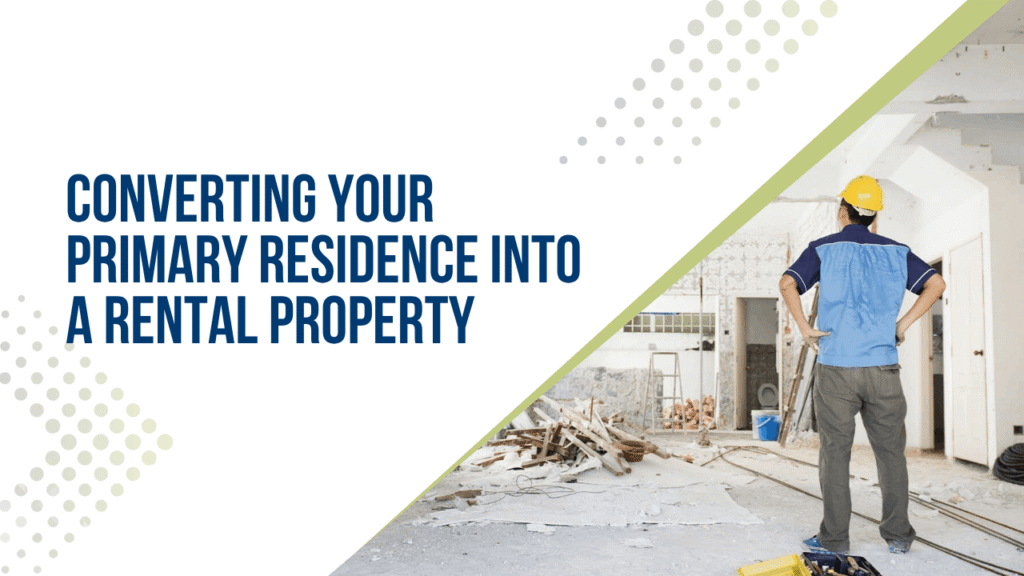
What will ensure success when you decide to convert your primary residence into a rental property?
Two things in particular: knowledge and the support of professionals who understand the nuances of the local rental market.
At ManCo Property Services, we work with new landlords who find themselves in this position all the time. Here is what we think you should know before converting a primary residence into a rental property.
Our Summary:
|
Determine Whether the Property Will Cash Flow
Before listing the property for rent, Ohio homeowners should perform a realistic financial analysis.
Many first-time landlords underestimate operating expenses. A property that appears profitable on paper can quickly become difficult to manage if repair costs, vacancies, or taxes rise unexpectedly.
Key expenses to calculate include:
- Mortgage payment
- Property taxes
- Insurance
- Maintenance and repairs
- Vacancy reserves
- Utilities
- HOA fees
- Property management fees
- Lawn care and snow removal
- Capital expenditures such as roofs, HVAC systems, and appliances
We recommend setting aside at least 5% to 10% of monthly rent for maintenance and another 5% for vacancy costs. This will provide peace of mind as well as financial reserve.
Review Your Mortgage Terms
One of the most overlooked steps is reviewing your mortgage agreement before converting the property into a rental.
Many owner-occupied loans require borrowers to live in the property for a certain period, typically at least one year. After satisfying occupancy requirements, many homeowners can legally convert the home into a rental without refinancing. However, loan terms vary by lender.
Some lenders may require notification when occupancy changes. Failing to comply with loan terms could create complications later. Before renting the property, contact your lender to determine:
- Whether the mortgage allows conversion to rental use
- Whether notification is required
- Whether escrow payments will change
- Whether refinancing is necessary
If you eventually refinance, expect higher interest rates for non-owner-occupied investment properties.
Switch to Landlord Insurance
Standard homeowners insurance generally does not provide adequate protection once the property becomes tenant-occupied. When you rent out the home you once lived in yourself, switch from your homeowner policy to landlord insurance, sometimes called a dwelling policy. This may include:
- Property damage coverage
- Liability protection
- Loss of rental income coverage
- Optional umbrella liability protection
Insurance premiums typically increase when converting a home into a rental because insurers view tenant occupancy as higher risk. It is also wise to require tenants to carry renters insurance.
Prepare the Property for Tenants
A home suitable for owner occupancy may still need upgrades before becoming a rental property.
Focus on durability and safety rather than luxury finishes. Rental properties experience more wear and tear than owner-occupied homes. Common pre-rental improvements that we’re most often recommending include:
- Fresh paint
- Flooring replacement
- Safety inspections
- Smoke and carbon monoxide detectors
- Plumbing repairs
- HVAC servicing
- Appliance replacement
- Re-keying locks
Learn the Tax Implications
Taxes are one of the most important aspects of converting a primary residence into a rental property.
Once converted, the property becomes an income-producing asset. Rental income must be reported to the IRS, generally using Schedule E on Form 1040. The good news is that even while you have to report the income, there will also be tax benefits.
- Potential Tax Deductions
Ohio rental property owners may deduct many ordinary and necessary expenses, including:
- Mortgage interest
- Property taxes
- Insurance
- Repairs
- Maintenance
- Property management fees
- Advertising costs
- Legal and accounting fees
- Utilities paid by the landlord
- Depreciation Benefits
One of the biggest tax advantages of rental ownership is depreciation.
Residential rental property is typically depreciated over 27.5 years. This allows landlords to deduct a portion of the property’s value annually, potentially reducing taxable rental income.
- Capital Gains Considerations
Homeowners should also understand how converting a residence to a rental affects future capital gains taxes. Under current IRS rules, many homeowners may exclude up to $250,000 in gains for single filers and $500,000 for married couples filing jointly.
To qualify, owners generally must have lived in the home for at least two of the previous five years before the sale. That means some Ohio homeowners convert their property into a rental temporarily and still qualify for the exclusion if they sell within the allowable timeframe. However, depreciation recapture rules may still apply.
Because tax treatment can become complex quickly, consulting a CPA familiar with Ohio real estate investing is highly recommended.
Frequently Asked Questions
Q: Can I rent out my house in Ohio without refinancing?
A: In many cases, yes. If you originally obtained an owner-occupied mortgage and satisfied occupancy requirements, you may be able to convert the home into a rental without refinancing. However, you should verify the terms with your lender.
Q: Do I need landlord insurance in Ohio?
A: Yes. Standard homeowners insurance is generally insufficient once tenants occupy the property. Landlord insurance provides coverage designed for rental operations.
Q: Will I lose my capital gains tax exclusion if I rent out my home?
A: Not necessarily. Many homeowners can still qualify for the primary residence capital gains exclusion if they meet the IRS ownership and occupancy tests. Timing is critical, and depreciation recapture rules may still apply.
Q: Should I hire a property manager?
A: This is the best thing you can do to ensure your rental home is a success.
If you lack time, experience, or proximity to the property, hiring a property manager can be worthwhile. Self-management may increase profits but also increases workload and legal responsibility.
 For many Ohio homeowners, retaining a property as a rental can build substantial long-term equity and income. We’re here to help. Please contact us at ManCo Property Services for more information.
We always like to remind owners: If it’s a property managed by ManCo, life just got better!