
There are two kinds of landlords in Dayton.
Either you love conducting routine inspections at your rental property or you avoid them.
You’ve invested in real estate because you know it can generate steady cash flow, appreciate over time, and offer valuable tax benefits. But like any investment, your rental property requires care, attention, and proactive management to protect its value. One of the most overlooked strategies in property management is conducting regular inspections.
They feel cumbersome and time consuming. But they don’t have to be. And they do matter.
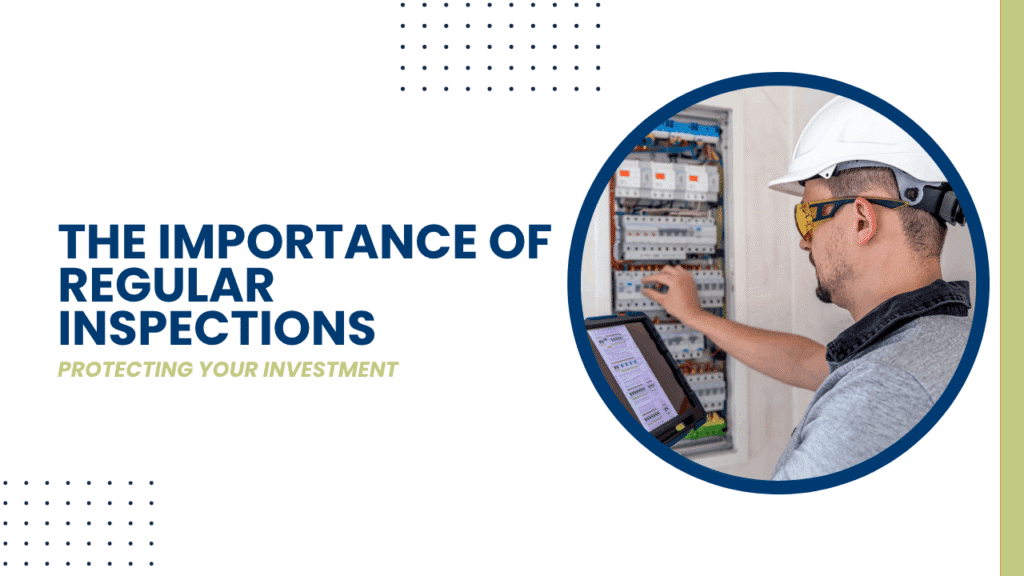
Routine inspections protect your investment.
Why Bother with Regular Inspections?
At first glance, inspections might seem intrusive or unnecessary, especially if you have long-term tenants who pay rent on time and cause no issues. They’ll let you know when something needs attention, right?
Maybe.
But maybe not.
Regular inspections are a tool for preserving the condition of your property, preventing costly repairs, and ensuring lease compliance.
There are several compelling reasons why every property owner should prioritize routine property inspections.
Inspections are an Opportunity to Catch Small Issues Before They Become Expensive Repairs
One of the biggest advantages of regular inspections is the ability to catch maintenance issues early. A slow leak under the kitchen sink might not seem urgent at the moment, but if left undetected, it can lead to mold, structural damage, and a major repair bill. Inspections give you the opportunity to:
- Identify plumbing issues like leaks, clogged drains, or dripping faucets.
- Spot signs of pest infestations before they spread.
- Check HVAC filters, smoke detectors, and electrical systems.
- Monitor roofing, gutters, and exterior walls for wear and tear.
Regular check-ups allow you to address problems while they’re still manageable, saving thousands in potential repair costs.
This is One Way to Ensure Tenant Compliance with Lease Agreements
Even tenants you like and have screened well can occasionally overlook lease rules. Whether it’s unauthorized pets, subletting without permission, or neglected yard maintenance, lease violations can quietly degrade your property’s value or even expose you to liability.
Routine inspections serve as a gentle reminder that lease terms matter and help you:
- Confirm that only approved occupants are living in the unit.
- Ensure no illegal activity is taking place.
- Check for damage beyond normal wear and tear.
- Address issues like smoking indoors or improper storage.
This is not about micromanaging tenants or looking for “gotcha” moments, but rather setting clear expectations and maintaining accountability.
Protect the Health and Safety of Your Tenants with Routine Inspections
As a Dayton landlord, you have a legal and ethical obligation to provide a safe and habitable living environment. Regular inspections help you fulfill this duty by identifying and resolving potential hazards before they impact tenant well-being. Health and safety checks might include ensuring proper ventilation and functioning appliances, checking for mold, mildew, or water damage. You can verify that smoke and carbon monoxide detectors are in working order, and you can assess the structural integrity of the property and secure locks.
Tenants appreciate landlords who take proactive steps to ensure their home is safe, and it can improve tenant retention as well.
Inspections Will Document the Condition of the Property
Inspections provide a documented record of your property’s condition over time. This is especially valuable at move-in and move-out stages, helping you to establish a baseline for security deposit deductions. With consistent property condition documentation, you’ll avoid disputes over damages and protect yourself legally if a tenant claims a condition was pre-existing.
Photographs and inspection reports serve as an impartial record and can be used in court if needed.
Improve Tenant Relationships Through Communication
Believe it or not, inspections can actually improve tenant relationships, especially when they are conducted respectfully and with proper notice. Many tenants are grateful when a landlord takes the time to ensure the property is being properly maintained. It shows that you care not only about the investment, but also their comfort. Use inspections as an opportunity to:
- Check in on tenant satisfaction.
- Ask if there are any maintenance issues they haven’t reported.
- Explain upcoming improvements or renovations.
A professional, courteous approach can build trust and create some long-term tenant loyalty, which adds to your earnings in the long term.
How Often Should You Inspect a Rental Property?
There’s no one-size-fits-all answer, but a common and effective schedule includes the following points of inspection:
- Move-In Inspection. Conducted with the tenant present to document the condition of the unit.
- Quarterly or Semi-Annual Inspections. Enough to catch issues without feeling excessive.
- Drive-By Inspections. Periodic external checks to observe general upkeep and spot red flags.
- Move-Out Inspection. Final check to assess damage and prepare for turnover.
Always provide written notice (typically 24-48 hours) before entering the property, as required by law.
Tips for Conducting Effective Inspections
- Be Respectful and Professional. Notify tenants well in advance and explain the purpose of the inspection.
- Use a Checklist. Have a consistent process to ensure you don’t miss anything.
- Take Photos. With consent, take time-stamped photos to document the condition.
- Listen to Tenants. Be open to feedback and take notes on their concerns.
- Follow Up Promptly. Address any discovered issues quickly to show you value the findings.
Regular inspections are a smart, simple, and often overlooked way to stay ahead of problems, build better relationships with tenants, and ensure that your property continues to generate income for years to come. By committing to a routine inspection schedule, you’re actively managing your investment and ensuring it remains in good condition, and valuable. Don’t wait for emergency maintenance requests or settle for growing problems. Be proactive and preventative. Fix the problems before they cost you more.
We are extremely organized and efficient when it comes to inspecting Dayton rental properties. We leverage our management software and our technology to deliver inspection reports so you know exactly where your property stands and how it looks.
 Can we help you with this?
We can. Please contact us at ManCo Property Services for more information.
And remember: If it’s a property managed by ManCo, life just got better!